Hot Air Brushes vs. Blow Dryer and Round Brush
Hot air brushes and a blow dryer with a round brush compared by speed, ease of use, results on different hair types, heat and weight, so you can pick one.
A hot air brush combines the brush and dryer in one hand, so it is easier to learn and good for volume and bends on damp hair. A dryer with a round brush is faster from wet, gives more control and suits long or thick hair.
Written for: People who want a smooth blowout at home and are deciding between a hot air brush and a dryer plus round brush
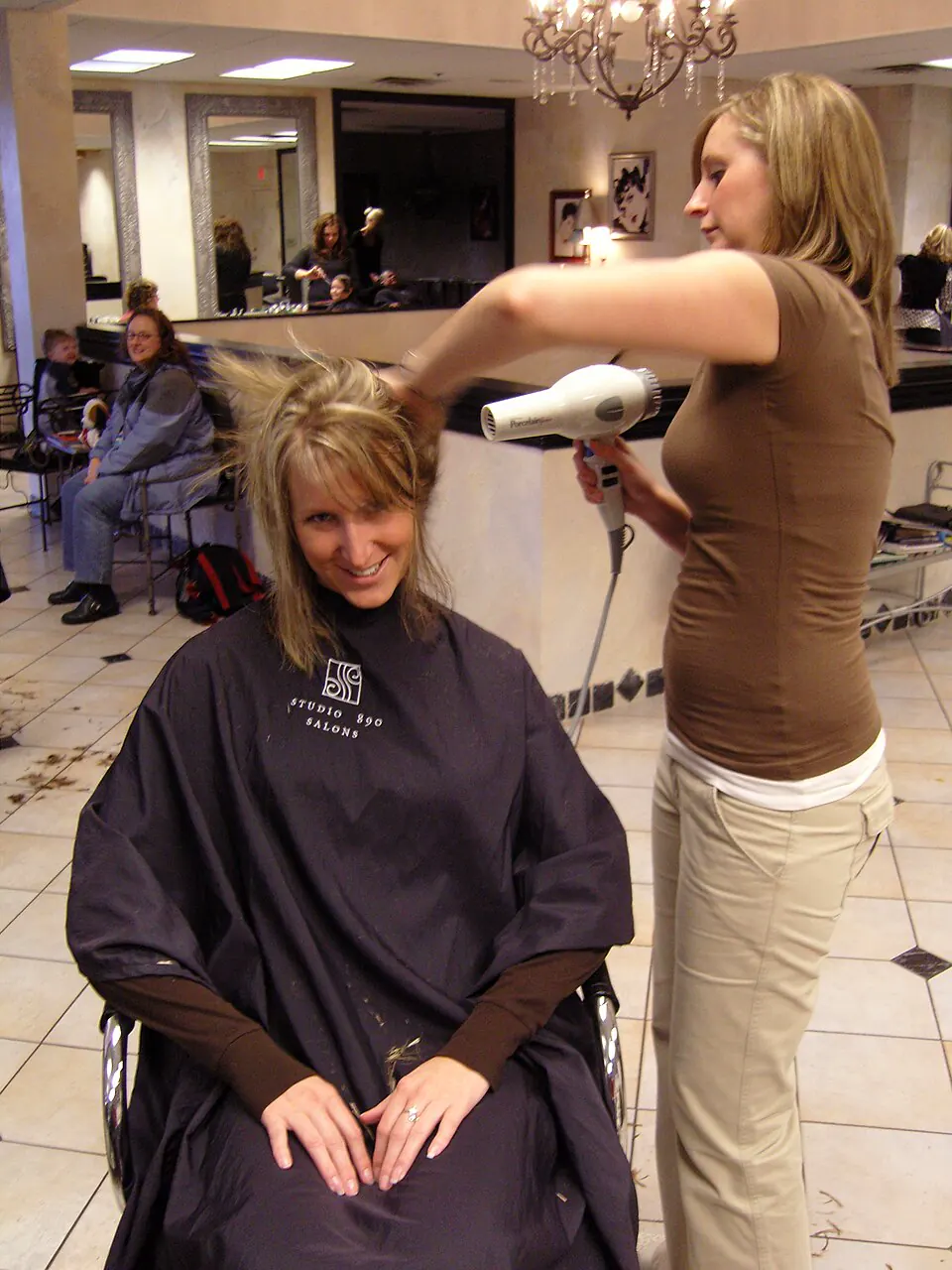
Both routes do the same thing: warm air passes over hair that is held in tension around a brush, then hair cools in that shape. The difference is how many hands you need and how much air you get.
How each one works
A hot air brush is a brush head with air vents built into the barrel. You hold one tool and roll it through each section. A dryer and round brush are two separate tools: one hand holds the brush, the other aims the dryer, usually with a concentrator.
Side-by-side
| Feature | Hot air brush | Dryer and round brush |
|---|---|---|
| Hands needed | One tool, one hand to guide | Two tools, two hands |
| Learning curve | Shorter | Longer; takes practice |
| Starting from soaking wet | Slow; many manuals expect damp hair | Faster; dryer has more airflow |
| Long or thick hair | Workable but slow | Usually quicker |
| Volume at the roots | Good | Good with practice |
| Brush size choice | Fixed by the head (some have swaps) | Any round brush you own |
| Weight in hand | Heavier brush, held up for long | Dryer weight plus a light brush |
| Storage | One tool | Two tools and a nozzle |
When a hot air brush makes sense
- Short to medium hair, or long hair that is fine.
- You find holding a dryer and brush at the same time awkward.
- You mainly want volume and a soft bend at the ends.
- You are happy to rough-dry first, or let hair air-dry partway.
When a dryer and round brush make sense
- Long, thick or coarse hair that takes a long time to dry.
- You want to choose brush size per section, small at the face, larger at the back.
- You already own a good dryer and want to add a brush.
- You want the most control over tension and smoothness.
Barrel and brush sizes
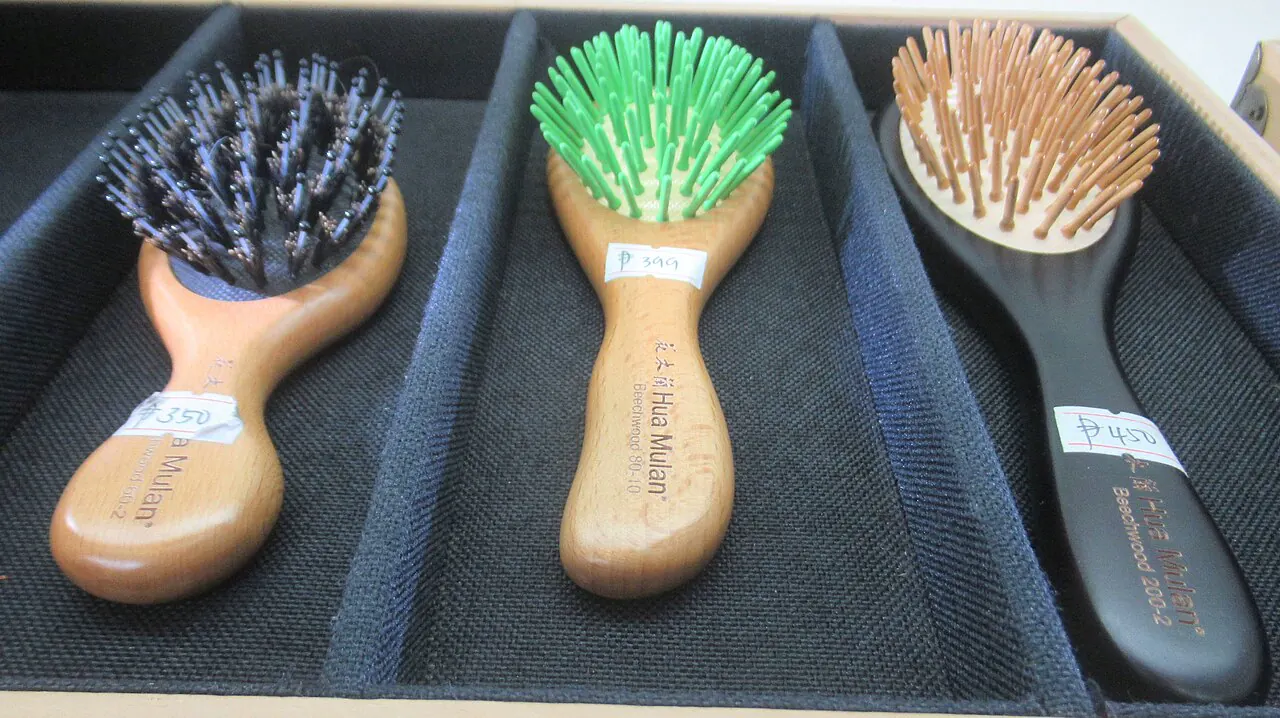
Smaller barrels make tighter bends and more lift close to the root. Larger barrels make smoother, straighter results and big soft ends. Oval heads are usually aimed at volume and smoothing rather than curl.
Heat and care
Both routes put warm air close to the hair. Use the lowest setting that works, finish with a cool setting, and do not hold the tool in one spot. Metal round brush barrels get hot under a dryer; hold the handle. Hot air brushes have a filter at the intake like a dryer, and it needs regular cleaning.
Questions people ask
Can a hot air brush replace a hair dryer?
For some people with shorter or fine hair, yes. For long or thick hair, most people still rough-dry with a dryer first.
Can I use a hot air brush on wet hair?
Check the manual. Many are designed for damp, towel-dried hair and dry soaking-wet hair slowly.
Which brush gives more volume?
Both can. Lift sections up at the root and hold, then cool. A smaller barrel gives more lift close to the scalp.
Is a hot air brush gentler?
Not automatically. Heat setting, how long you hold it and how often you style matter more than the tool type.
Sources
This guide is research-based: it draws on manuals, published specifications and safety guidance, not on hands-on testing. If we link to a retailer, we may earn a commission at no cost to you. Affiliate disclosure