Makeup Tools
Makeup tools are simple, but shape and material change how product goes on and how easy the tool is to clean. These guides explain what each shape is for and how often to wash it.
4 product types compared
What to compare in makeup tools
The specs that decide whether a product fits, and the limit people tend to miss.
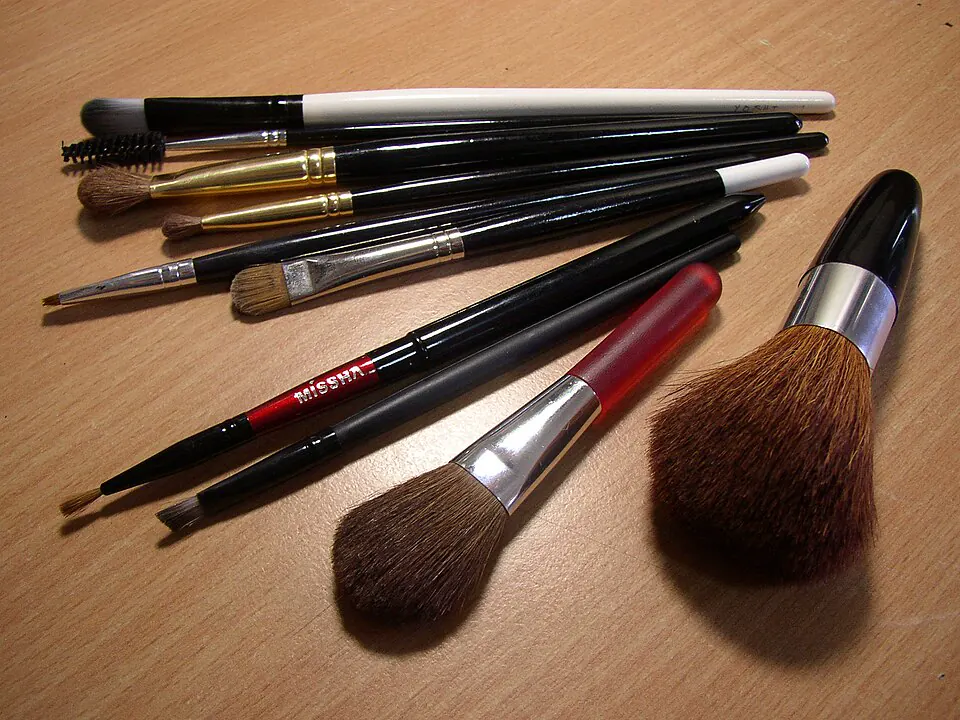
Makeup brushes
- Natural or synthetic bristles and which products they suit
- Head shape (flat, domed, angled, tapered)
- Density for sheer or full coverage
- Ferrule that does not loosen when washed
Watch for: Soaking the whole brush can loosen the glue in the ferrule; wash bristles pointing down.
Makeup sponges
- Shape and edge for blending around the nose and eyes
- Use damp or dry
- How quickly it dries after washing
Watch for: Sponges hold moisture; let them dry fully in open air and replace them when they tear or stay stained.
Combs and hairbrushes
- Tooth spacing: wide for wet or curly hair, fine for parting
- Paddle, round or vented brush shape
- Heat-safe material if used with a dryer
Watch for: Round brushes with metal barrels get hot under a dryer; hold them by the handle.
Eyelash curlers and tweezers
- Curve that matches the shape of your eye
- Replaceable pad
- Tip shape (slant, point, flat) for tweezers
Watch for: Replace a curler pad when it cracks or flattens so the metal edge does not pinch lashes.
Guides to start with
Full guides for this section are on the way. These cover the gear most readers ask about first.