Hair and grooming tools, explained for your home routine.
What each dryer attachment does, which plate width suits your hair length, how to set heat and speed. Feature comparisons and care steps for the tools on your counter.
The routine finder
Three questions about your hair and your morning. The answer is a tool type, the attachment or plate width, and where to set heat and speed, each with its reason and the guide it comes from.
A starting point for your shelf
Tool
Hot air brush
One tool in one hand and a shorter learning curve. It suits short to medium hair. Rough-dry or air-dry partway first: many manuals expect damp hair, not soaking wet.
From the guide: Hot air brush vs. dryerHead
A larger or oval barrel
Larger barrels make smoother, straighter results. Oval heads are usually aimed at volume and smoothing rather than curl.
From the guide: Hot air brush vs. dryerIf you flat-iron after
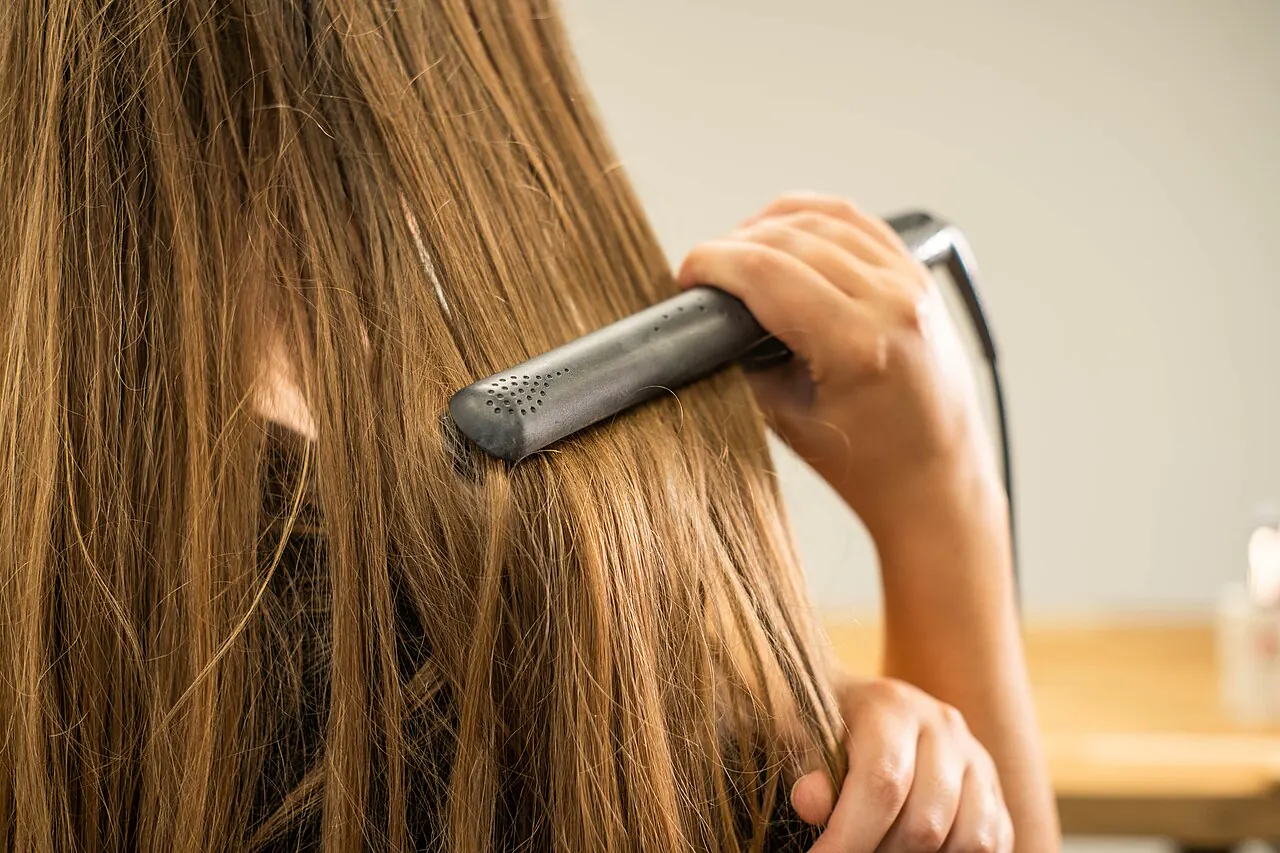
1 inch plates
The common middle size for chin to shoulder: quick on a section and narrow enough to flip ends or bend a wave.
From the guide: Plate sizesHeat and speed
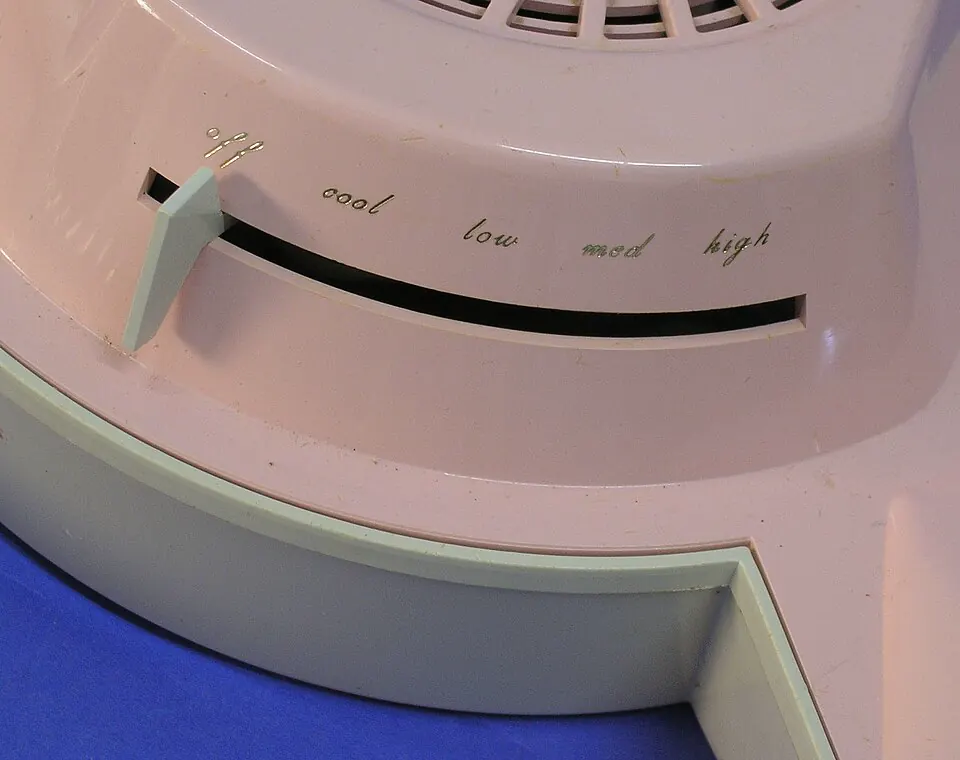
The lowest setting that works, then cool
Warm air sits close to the hair. Do not hold the brush in one spot, and finish with the cool setting.
From the guide: Hot air brush vs. dryerWater and electricity. Never use or set down a plugged-in dryer or styler near a filled sink, tub or shower. Dermatologists advise limiting how often and how hot you heat-style: start low and raise the heat only if the shape does not hold.
What the nozzles in the box are for
An attachment does not make a dryer hotter or faster. It changes the shape of the air. Tap a nozzle to clip it on. Read the full guide, 6 min
Diffuser
The wide bowl with prongs. It spreads the same airflow over a larger area, so the air at any one spot is slower and curls dry in their own shape.
- Air stream
- Wide, slower
- Best for
- Defining curls and waves, volume at the roots
- Speed to start with
- Low
- Cup a section in the bowl, lift toward the scalp, hold, then lower.
- Longer prongs reach the roots; shorter, flatter bowls suit shorter hair.
- On straight hair it adds lift at the roots. It will not create curl.
Attachments are usually made for one dryer model or family, and they get hot, the tip of a concentrator most of all. Let them cool before you pull them off.
Everything on the shelf
Six sections, one per kind of tool. Each lists what to compare before you choose, and the limit people tend to miss.
The reading list
Every guide is dated, names who it is for and lists its sources.
All guides by section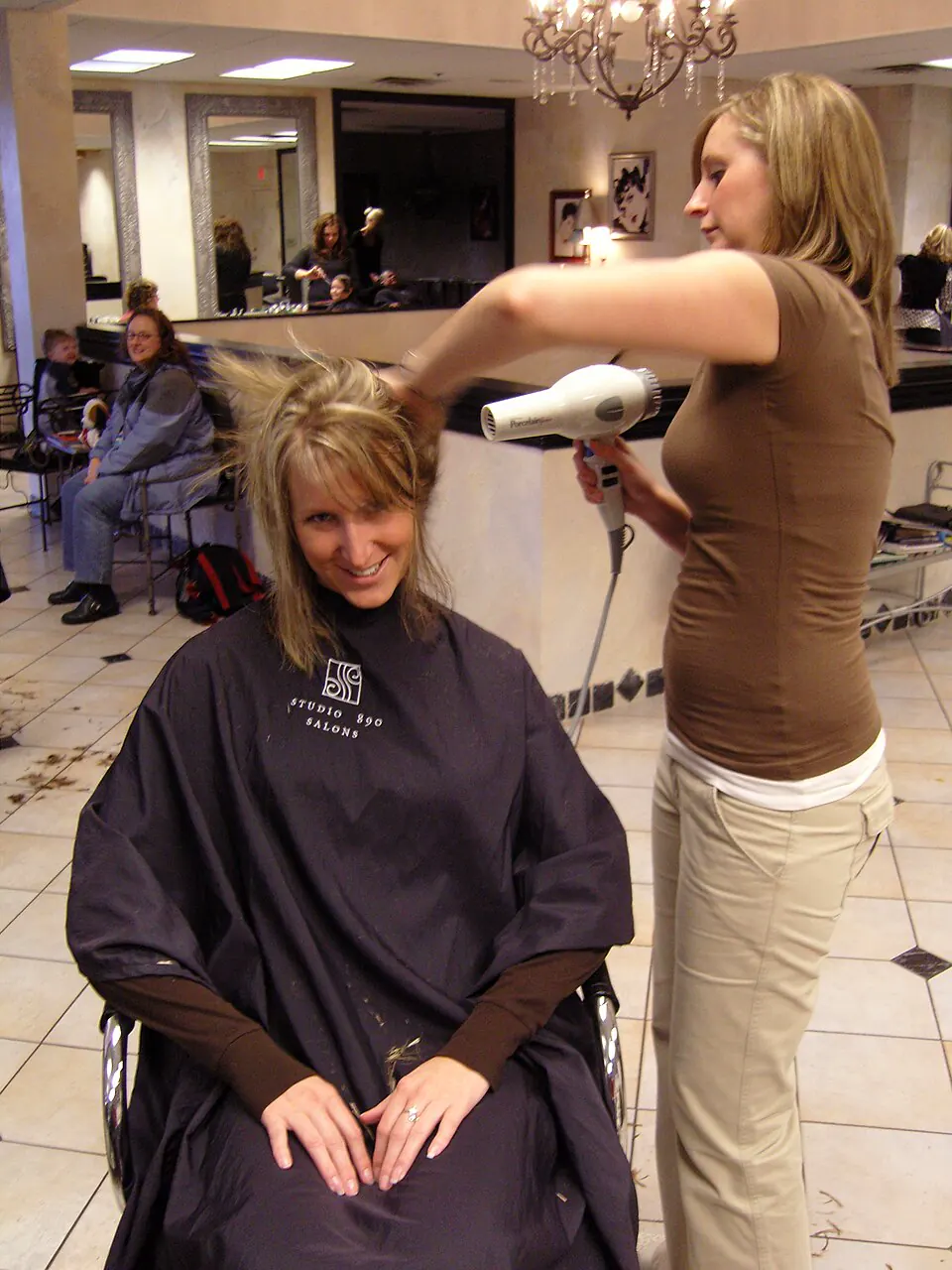 Hair Dryer Attachments ExplainedUse a concentrator to aim air at one section for smoothing, a diffuser to spread soft air over curls and waves, a comb or pick to dry and lift at the roots, and a smoothing nozzle for a gentler, wider stream.
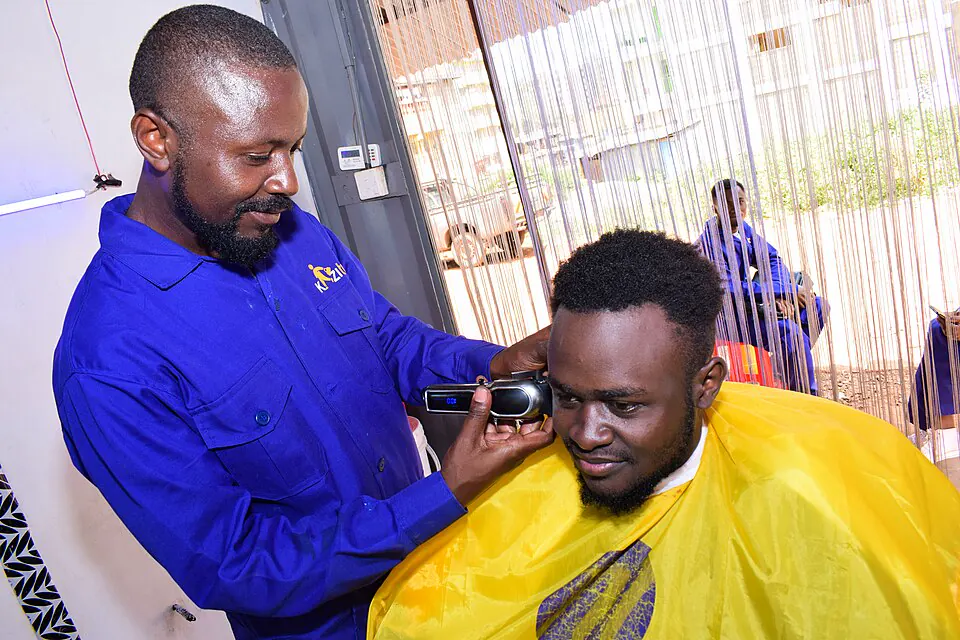 How to Choose a Beard Trimmer by Cutting LengthStart with the length you actually wear in millimeters, then choose a trimmer whose guard settings include that length in small steps. Add zero-gap only if you shape sharp edges, and pick blade width for the area you trim most.
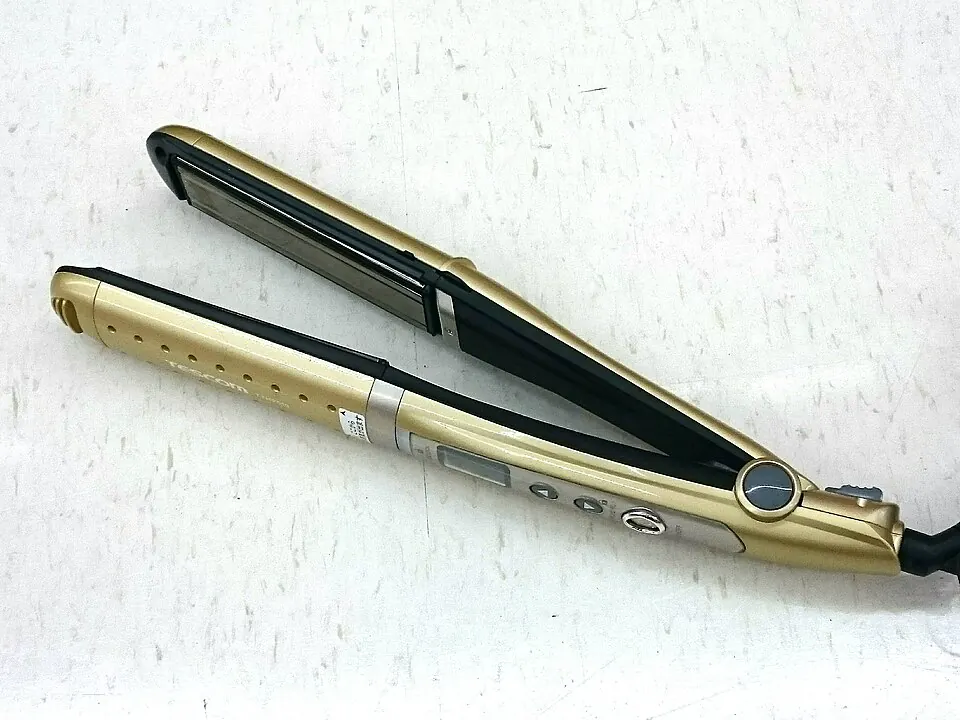 Hair Straightener Plate Sizes: Which Fits Your Routine?A 1-inch flat iron suits most people with short to shoulder-length hair and can also bend waves. Pick a narrower 1/2- to 3/4-inch iron for short hair, bangs and edges, and a wider 1.5- to 2-inch iron for long or thick hair.
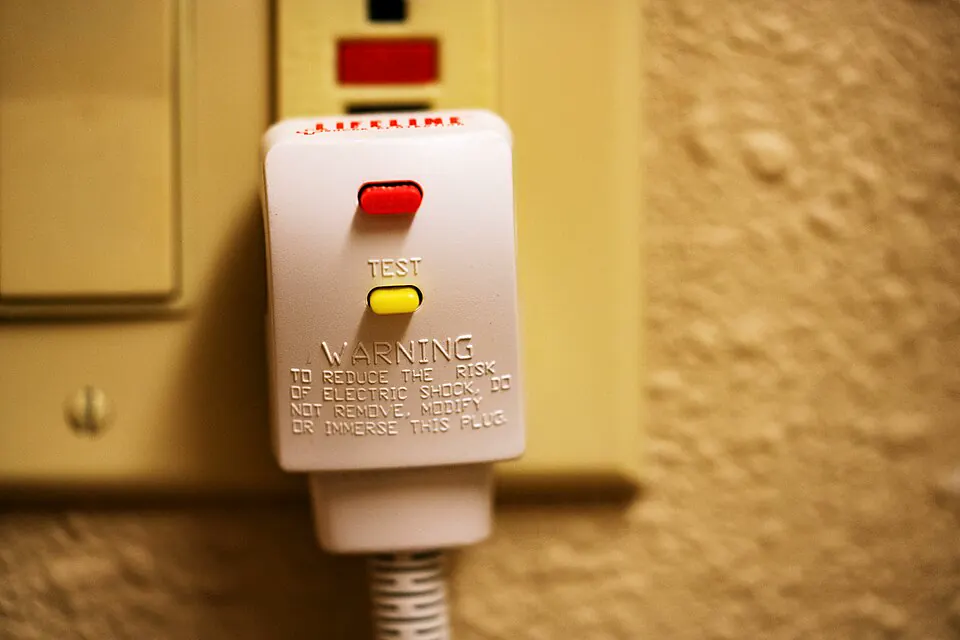 Hair Dryer Heat and Speed Settings: How to Use ThemUse high speed with medium heat to remove most of the water, then drop to lower speed and heat for styling and finish each section with the cool shot. Use low speed and low heat with a diffuser for curls.
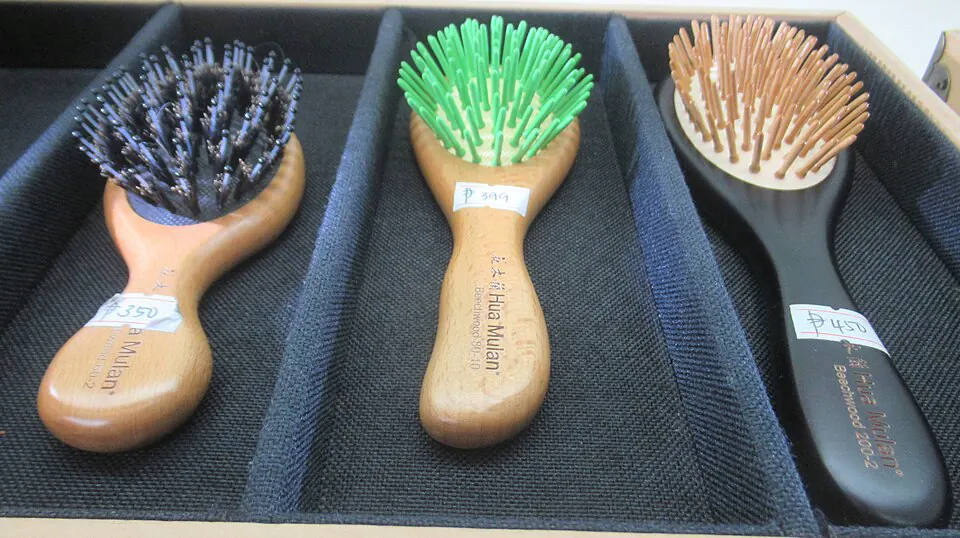 Hot Air Brushes vs. Blow Dryer and Round BrushA hot air brush combines the brush and dryer in one hand, so it is easier to learn and good for volume and bends on damp hair. A dryer with a round brush is faster from wet, gives more control and suits long or thick hair.
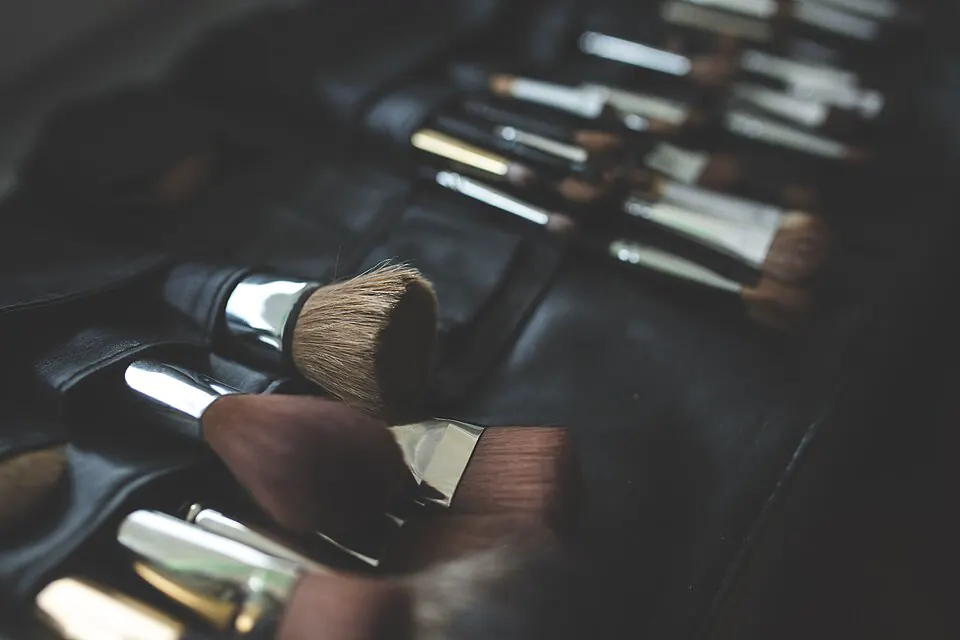 How to Clean a Hair Dryer Filter and Styling ToolsUnplug and cool the tool, then remove the dryer filter cap, brush or rinse out lint as the manual allows, and let it dry fully before refitting. Wipe flat iron plates cool with a damp cloth, and pull hair out of brushes and air brush heads.
What we say, and what we don’t
Your routine first
Hair length, texture and how much time you have decide the tool. Features come second.
Claims labeled
Ions, ceramic and tourmaline are maker claims. We say what they are meant to do, not that they work.
Research, not test claims
We read manuals and safety guidance. We do not claim to have styled with every tool.