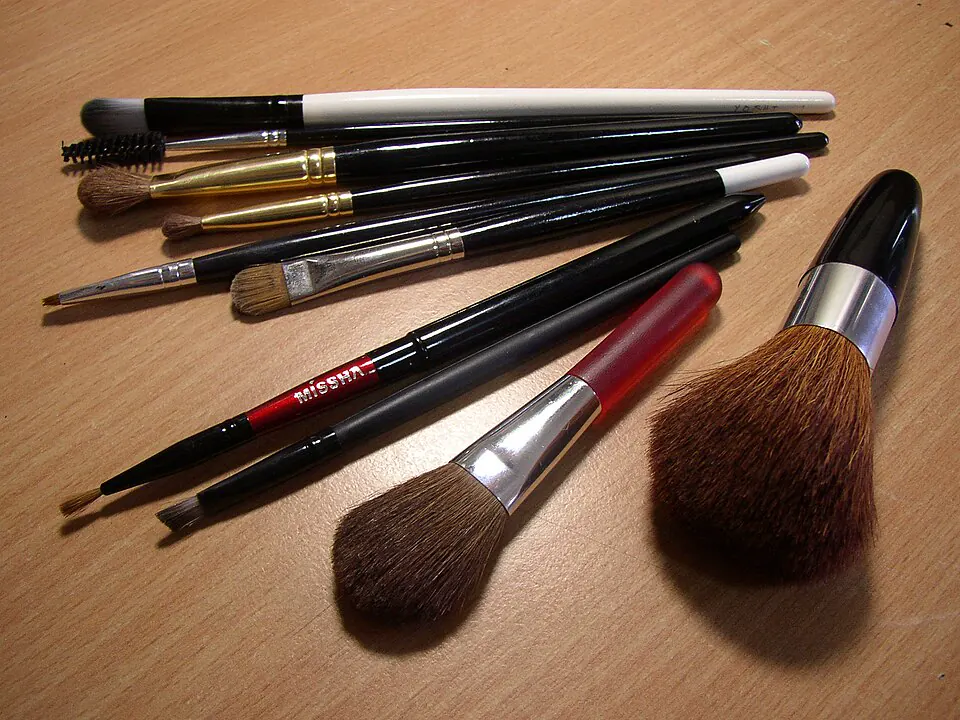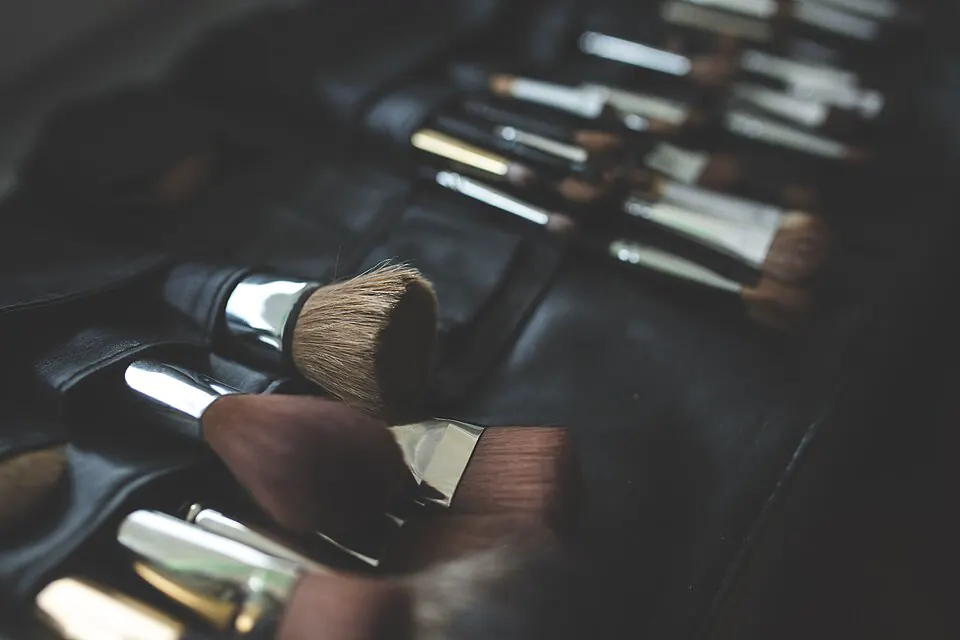
Wash makeup brushes every 7 to 10 days: rinse only the tips in lukewarm water, swirl them in water with a little gentle shampoo, rinse until the water runs clear, squeeze dry and lay them flat with the tips over a counter edge. Wash sponges after every use.
Written for: People who use makeup brushes or sponges most days and are not sure how, or how often, to wash them
Makeup brushes and sponges pick up product, skin oil and dead skin every time they touch your face. According to the American Academy of Dermatology, brushes can hold bacteria, and dirty tools can lead to breakouts, rashes and infections. Washing them is simple and needs nothing special: lukewarm water, a gentle shampoo, a bowl and a towel.
How often
| Tool | How often | Source of the advice |
|---|---|---|
| Makeup brushes | Every 7 to 10 days | American Academy of Dermatology |
| Makeup sponges | After every use | American Academy of Dermatology |
| Eyelash curler pad and tweezers | Wipe clean before use near the eyes | FDA: make sure any instrument used in the eye area is clean |
| Brush case, roll or cup | When you wash the brushes | FDA: keep containers and applicators clean |
Wash makeup brushes
These seven steps follow the American Academy of Dermatology's method.
- Rinse the tips Hold the brush with the bristles pointing down and rinse only the tips under lukewarm running water. Keep the base of the head out of the water: soaking it can dissolve the glue that holds the bristles to the handle.
- Mix a wash Fill a bowl with lukewarm water and add a tablespoon of gentle or clarifying shampoo. Plain soap can dry out the bristles.
- Swirl Swirl each brush tip in the bowl. For more lather, massage the tip in the palm of your hand.
- Rinse Rinse the tips under running water.
- Repeat until clear Keep shampooing and rinsing each brush until the water runs clear.
- Squeeze out the water Press the head gently in a clean, dry paper towel.
- Dry flat Lay the brushes flat on a towel with the tips hanging over the edge of the counter, so air reaches all sides. Do not stand them upright in a cup to dry: water runs down into the ferrule and loosens the glue.
Wash makeup sponges
A sponge is used damp and holds product deep inside, and dermatologists advise cleaning it after every use.
- Wet it Run the sponge under lukewarm water until it is fully soaked.
- Add cleanser and massage Let the sponge soak in soapy water, then massage it so the lather reaches the middle.
- Rinse and squeeze Rinse and squeeze until the water runs clear. Squeeze, do not twist, so the sponge does not tear.
- Dry in open air Press it in a clean towel and leave it somewhere open and dry. Do not seal a damp sponge in a bag or a closed case.
Cleaning tools that help
- Textured silicone mat or pad: ridges work lather through dense brush heads faster than a palm does. Look for one that sits flat in the sink.
- Drying rack: holds brushes flat or angled head-down. Avoid any stand that holds wet brushes head-up.
- Brush or sponge cleanser: sold for this job, but the dermatologist method above needs only a gentle shampoo. Rinse any cleanser out fully.
- Ventilated sponge holder: lets air reach all sides of a drying sponge.
When to replace a brush or sponge
Replace the tool if
0 of 4 packedDo not share
The American Academy of Dermatology says never to share makeup that you apply with a brush or sponge. The FDA puts it plainly: if you share makeup, you may be sharing an infection. It also advises keeping containers and applicators clean and storing cosmetics away from heat, such as a hot car. If you get an eye infection, the FDA advises throwing away the eye cosmetics you were using at the time; wash the brushes you used with them before they touch anything new.
Questions people ask
Can I use dish soap or bar soap on makeup brushes?
The American Academy of Dermatology recommends a gentle or clarifying shampoo and notes that plain soap can dry out bristles.
Why should brushes not dry standing up?
Water runs down the bristles into the ferrule and loosens the glue that holds the head to the handle. Dry them flat with the tips over a counter edge.
How long do brushes take to dry?
It depends on the size and density of the head and the air in the room. Small eye brushes dry quickly; dense face brushes are best left overnight.
Do I need a special brush cleaner?
No. Lukewarm water and a gentle shampoo are what dermatologists describe. A textured mat or a drying rack makes the job faster but is optional.
Sources
This guide is research-based: it draws on manuals, published specifications and safety guidance, not on hands-on testing.As an Amazon Associate we earn from qualifying purchases. Links to Amazon are paid links; they cost you nothing extra. Affiliate disclosure