Makeup Brush Shapes and What Each One Is For
What each makeup brush shape does, which five or six brushes cover most routines, synthetic versus natural bristles, and what to check in a brush set listing.
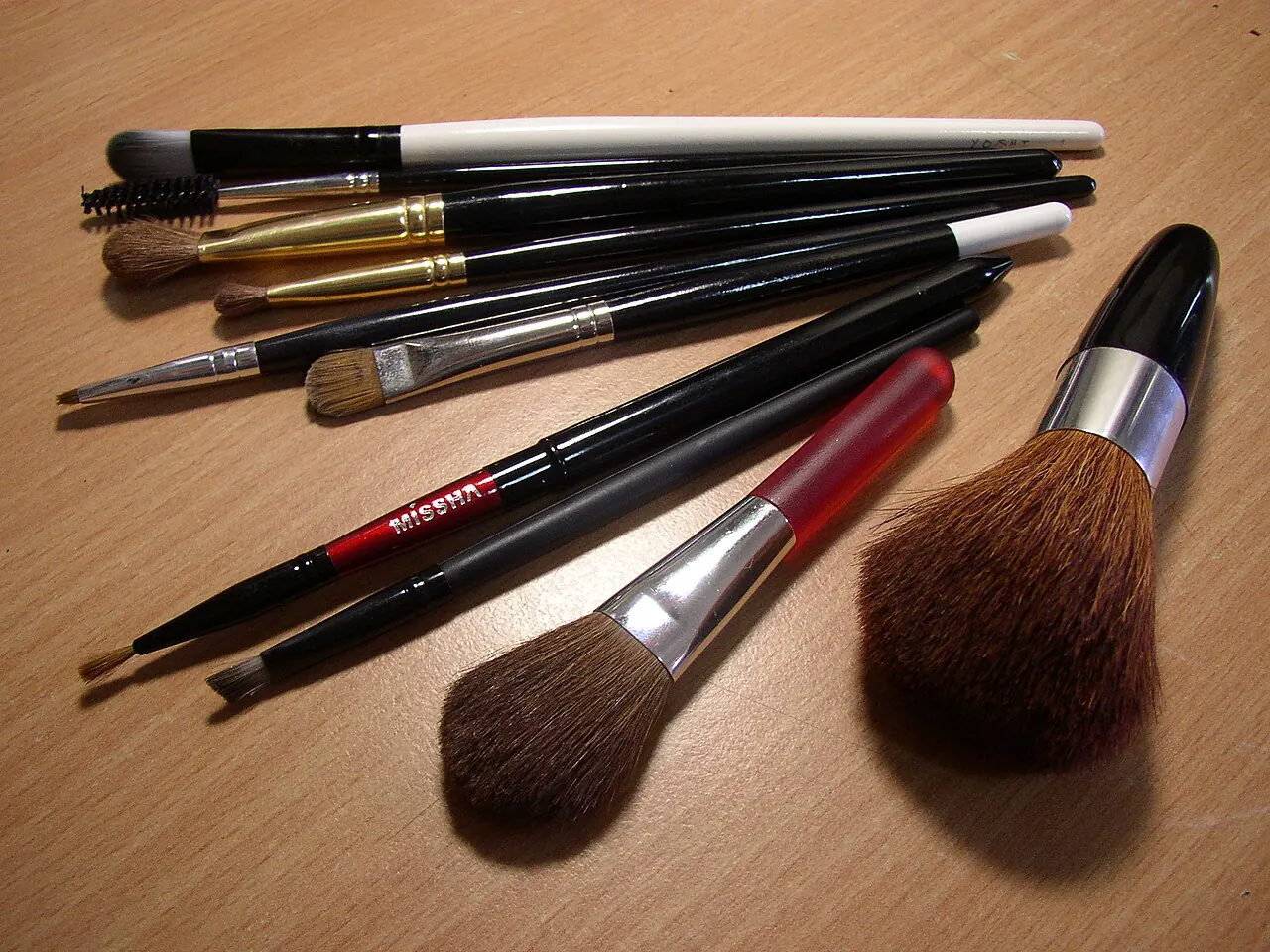
Most routines need five or six brushes: a foundation brush or sponge, a large powder brush, an angled or domed cheek brush, a flat eyeshadow brush, a fluffy blending brush and a small angled brush for brows or liner. Choose by head shape and density first, and buy singles before a large set.
Written for: People building a first brush kit, or replacing a large set they only use a few brushes from
A makeup brush is three parts: the bristles, the metal ferrule that clamps them, and the handle. What the brush does on the face comes mostly from two things, the shape of the head and how tightly the bristles are packed. Once you can read those two, you can tell what a brush is for without relying on the name printed on the handle.
Shape and density
- Dense, firm heads pick up more product and press it onto the skin. They give fuller coverage and sharper placement.
- Loose, fluffy heads pick up less and spread it thinly. They suit powder, soft color and blending edges.
- Flat heads lay product down. Domed and tapered heads blend it out. Angled heads follow a line such as a cheekbone or a brow.
- Size should match the area. A brush wider than your eyelid cannot place color on it.
Common brushes by job
| Brush | Head shape | Used with | What it does |
|---|---|---|---|
| Foundation brush | Flat paddle, or dense flat-top or rounded buffing head | Liquid and cream foundation | Paddle paints product on; buffing head works it in with small circles |
| Concealer brush | Small flat or small dense dome | Concealer | Places and taps product on small areas |
| Powder brush | Large, loose, rounded | Loose and pressed powder | Dusts a thin, even layer over the face |
| Blush brush | Medium dome or angled | Powder blush, bronzer | Places color on the cheek and softens the edge |
| Contour or highlight brush | Small angled, tapered or fan | Contour powder, highlighter | Fits under the cheekbone or along its top |
| Flat eyeshadow brush | Small, flat, fairly dense | Powder and cream shadow | Packs color onto the lid |
| Blending brush | Small, fluffy, tapered | Powder shadow | Softens edges in the crease |
| Angled liner or brow brush | Thin, stiff, slanted | Brow powder or pomade, gel or powder liner | Draws short, fine lines |
| Spoolie | Spiral wand | Brows and lashes | Combs hairs into place and separates lashes |
| Lip brush | Small, flat or pointed, firm | Lipstick and gloss | Gives a sharper lip edge |
Synthetic or natural bristles
Synthetic bristles are smooth fibers, usually nylon or a similar material. They absorb little product, which is why they are the usual choice for liquids and creams, and they are simple to wash. Natural hair bristles have a rougher surface that holds powder well, but they need gentler washing and take longer to dry. Many current synthetic brushes are made to handle powder too, so an all-synthetic kit is a workable choice, and it avoids animal hair.
A starter kit that covers most routines
Six brushes to start with
0 of 6 packedWhat to check in a listing
- Each brush in the set is shown and named, with the head shape visible from the side.
- Bristle material is stated (synthetic or the type of natural hair).
- The ferrule is metal and crimped onto the handle, not just glued plastic.
- Handle length suits where you do your makeup: short handles for a travel bag or a close mirror, longer handles for a vanity.
- A case or roll is included if you travel, so heads do not get crushed.
Keep them clean and do not share
Brushes collect product, oil and bacteria. The American Academy of Dermatology recommends washing makeup brushes every 7 to 10 days, and says never to share makeup that you apply with a brush or sponge. The FDA gives the same warning about sharing: you may be sharing an infection. Wash a new brush before its first use, and let brushes dry flat rather than upright so water does not run into the ferrule and loosen the glue.
Questions people ask
How many makeup brushes do I really need?
Five or six cover most routines: foundation, powder, blush, a flat eyeshadow brush, a blending brush and a small angled brush. Add others only when you have a product they suit.
Are synthetic brushes as good as natural hair?
For liquids and creams, synthetic is the usual choice because it absorbs less product. For powder, both work. Synthetic brushes are also easier to wash and dry faster.
Brush or sponge for foundation?
A brush soaks up less product and can build more coverage. A damp sponge gives a thinner, more blended finish, but dermatologists advise cleaning a sponge after every use.
How often should I wash makeup brushes?
The American Academy of Dermatology recommends every 7 to 10 days. See our cleaning guide for the steps.
Sources
This guide is research-based: it draws on manuals, published specifications and safety guidance, not on hands-on testing.As an Amazon Associate we earn from qualifying purchases. Links to Amazon are paid links; they cost you nothing extra. Affiliate disclosure